
ATTIVO
Fighting fraud: Your security is our priority
Attivo is one step ahead of the fraudsters with its comprehensive security measures.
Many of us have received emails that appear to be from someone we know, but upon closer examination, we realise that something is not quite right. This could be the sender’s email address, the wording of the email, or a suspicious-looking link.
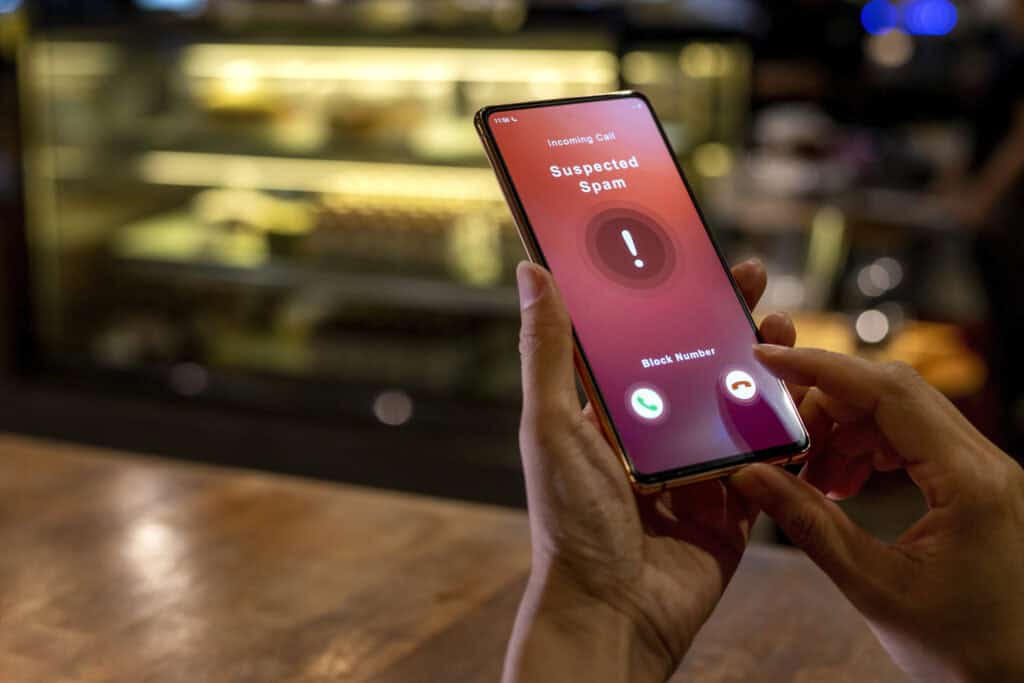
Similarly, you might have received a phone call or text message that seems to be from your bank, asking you to confirm your details. Incidents like these are becoming more common, and it’s important to be alert to potential scams in order to avoid the risk of identity theft. In 2023, the amount of fraud committed in the UK more than doubled to £2.3 billion*. This is a concerning statistic, and it’s crucial to stay vigilant, especially as we increasingly use digital services.
Sometimes it may seem like fraudsters are one step ahead of our financial institutions, using technologies like artificial intelligence to carry out more sophisticated attacks. It’s important to test the security of your financial services provider, whether it’s a bank, building society, or any other investment institution.
At Attivo, ensuring the security of our clients’ personal data is our top priority. We are constantly working to improve, and one measure we have taken is the introduction of our Personal Finance Portal. This online portal can only be accessed through the client’s personal login. While most of our correspondence is done via email, we will never ask a client to provide private or security-related information, such as bank details, via email.
“We want to assure our clients that we take the necessary steps to ensure that the communications they receive from us are genuine and that we have protocols in place to safeguard their identity and personal information. Our client safety is our primary concern, and we are constantly updating and monitoring for potential risks,” Attivo.
The Attivo Safety Protocols – how we guard your data
Personal Finance Portal (PFP)
Our Personal Finance Portal provides a secure way for us to communicate with our clients and to send and receive documents. It’s part of our service provision to do things in this way, as it has built-in security.
Withdrawal funds
Withdrawal funds will only be sent to a verified bank account in a client’s name. This will be done by their product provider, which will have its own systems to guarantee security.
Ensuring that bank details remain confidential
We will verify bank details – and any change in details if made by the client – via our secure messaging service on our Personal Finance Portal. If a client is not registered with our secure portal, a telephone call or SMS message can be used instead. We will identify through security checks before
making any changes.
Manage security over the phone
If speaking to a client by phone, Attivo will always verify identity via a series of security questions and will never ask for a password to be given in person. We do this to protect client data and ensure it is managed correctly and safely.
Attivo’s top six fraud-alert tips
1. Watch out for scam emails:
Check the sender’s email address. The actual email address can be hidden behind text. Hover your cursor over, or right-click on the sender’s name, and you should be able to view the email address behind it. If it’s a scam, it may consist of random letters or numbers or a strange word that doesn’t tally with their name.
Attivo will never send an unsolicited email with a hyperlink to our portal asking a client to enter their portal account credentials. If you are an Attivo client and receive an email from us that seems suspicious, contact your Financial Planner securely via the PFP or verified phone number.
2. Check email branding
Compare the branding in the email to the company’s website or any genuine emails you’ve received from them. For example, pixelated imagery could indicate a scam.
3. Are you being asked for personal information?
If an email asks you to update or re-enter your personal information or bank details, it will likely be a scam. Most companies, including Attivo, will never ask for personal information via email.
4. Trying to be official or putting time pressure on you
Scam emails are often written in an official tone or ask you to do something quickly before you can consider what you’re being asked. Take the time to check and log in separately to your account in a new tab or window.
5. Use strong, unique passwords
One of the easiest yet most effective ways to protect yourself is to use unique, strong passwords for each account. These should be a mix of upper- and lowercase letters, special characters and numbers.
6. Enable two-factor authentication
Two-factor authentication adds an extra security layer by requiring your password and a second verification form, such as a code sent to your phone. It’s a good idea to set this up where possible, as it greatly reduces the chances of unauthorised access, even if your password is compromised.
By following these tips, you can significantly reduce your risk.
By Becky Bennett
If you’d like to explore your options for financial planning, why not talk to Attivo?
Our team of Chartered Financial Planners happy to help to make the process a smooth one. Contact us today.