
ATTIVO
All Under One Roof
A recent survey* finds that multigenerational housing could be set to triple by 2040. Nicky Rampley-Clarke investigates the rise of the grown-up ‘house share’ and how to get it right.
Now, more than ever, time spent together is what’s most important, a lesson we learnt during the global pandemic that forced us apart and isolated friends, families and communities. Throughout lockdown, a term previously so dystopian to us, we found temporary new ways to live. Young people, from students to professionals, moved back in with their parents, and elderly parents and relatives were invited to live with their grown-up children. Outside of nuclear families, there were all kinds of weird and wonderful combinations under one roof, but all with one thing in common: to support and nurture one another. Finally, a social network that didn’t just exist on screen, but IRL.
Most of us have gone back to living as we did pre-Covid, yet there’s ongoing uncertainty – from economics to politics – that is spilling over into our everyday lives as TV channels and social media fan the flames. ‘The ongoing economic crisis has led to many people tightening their belts and looking for ways to save money, and multigenerational living allows for families to be more financially secure, as well as providing emotional and family security through shared childcare or elder care,’ says life coach and therapist Vic Paterson.
There is also a shortage of homes and a rise in the cost of housing. All contribute to our sustained need for comfort, security and togetherness. With the realisation that relationships matter most, we see multigenerational living as the silver lining in tumultuous times, tightening the ties that bind and offering a raft of other more practical benefits.
Joanna Cocking, Head of Private Office and Prime at Hamptons, the estate agents, says: ‘Life has moved on significantly since restrictions lifted, but we have noticed that multigenerational living is here to stay. Older generations have stayed put and are selling their principal homes.
This is either to invest the funds into family trusts or to pass on the inheritance immediately to allow the younger generation to enter the housing market.’ She adds: ‘Commonly, we have sold two properties and helped with the search for a larger country home with either lodges or dower houses, providing enough space for the extended family. This has mutual benefits for both, from the overseeing of the house or estate to additional childcare, and by response, care and support for ageing relatives. An additional enticement is the Stamp-Duty saving in being able to apply for multiple-dwellings tax relief.’
“With the realisation that relationships matter most, we see multigenerational living as the silver lining in tumultuous times.”
Attivo Associate Director Tom Waldock explains: ‘Put simply, buying more than one property in one transaction, say, a house with a separate workshop or in-law apartment, may mean a reduction in the Stamp Duty paid. However, this would need careful consultation with your adviser at the time of purchase but is worth considering when looking at multi-generational home-buying plans.’

With searches for historic country piles that can accommodate everyone across a single estate rising, it’s clear that multigenerational living – often romanticised in period dramas like Downton Abbey that offer a glimpse into the bustling nostalgic and convivial households of yesteryear – is not a new concept. But it isn’t just old properties that we’re seeking out as a way to tap into the trend. The modern iteration is also exploring fresh adaptations to satisfy all occupants harmoniously.
Amy Frearson, co-author of All Together Now: The co-living and co-working revolution, published in 2021, explains: ‘Our book explores how architects and designers can create new spaces that are geared towards sharing. The idea behind it is that sharing is no longer only something people do out of necessity – because they can’t afford the alternative – but increasingly a trend driven by other factors. People want to share. Loneliness is a growing problem among young people as well as the old. Meanwhile, technology – apps like Airbnb and Zipcar – has opened people’s eyes to the benefits of sharing.’
She adds: ‘Our lifestyles are changing, too. We’re less likely to find a long-term partner until later in life (if at all), and divorce is increasingly common. And we’re all living longer, meaning more empty nesters occupy large homes long after their children have moved out.
“People want to share. Loneliness is a growing problem among young people as well as the old.”
‘All of this means that traditional accommodation models are no longer fit for purpose. Co-living is all about offering other options. It’s about creating models that bring all the benefits of sharing, without the issues that typically drive people to live alone, such as concerns about privacy, or even just the stress of living with messy housemates.’

Humanitas Deventer in the Netherlands is a pioneering care home for the elderly that provides free accommodation for students in exchange for them spending a portion of their time with their neighbours. The advantages are huge on both sides regarding the health and happiness of the elderly inhabitants, while making housing more affordable for young people and allowing them to benefit from the life experiences of a completely different generation. Elsewhere, Lange Eng in Denmark is an innovative cohousing community that inspires families to support one another by living more closely together. Everyone has their own home but enjoys access to shared facilities such as an enormous garden and kitchen where residents take turns cooking. And over in Amsterdam, Three-Generation House is a five-storey house occupied by a couple with their children and maternal grandparents. It’s split into two residences but could be subdivided in five different ways down the line to accommodate the changing needs of the family as they grow older.
Closer to home, Sarah Wigglesworth, the London-based architect, and Design Council expert who has won awards for her multigenerational homes, says: ‘Intergenerational living has existed for years across different periods and cultures, but modern-day UK is just beginning to wake up to its benefits, which includes shared bills and meals, improved wellbeing and stronger interpersonal connections. It makes sense for different generations to share resources and help each other out.’

Designed by Sarah’s eponymous firm, Haycroft Gardens in London delivers on multigenerational living with a flexible home for three generations of the same family. Futureproofed across a single level, it features two separate wings. It is designed to adapt as the residents’ living patterns change over the period of one, five and 15 years, while the L-shaped floorplan encourages visual connections between separate spaces. Communal areas, such as the open-plan kitchen/dining/living space, contrast with separate nooks for individuals, such as window seats. The home is built on a neglected infill site and adheres to sustainable practices.
According to CBRE, the global leader in commercial real estate services and investment, multigenerational housing could triple by 2040, which suggests the spike in people making older houses fit for purpose and creating brand new ones will only continue to rise. Peregrine Mears, Director of her namesake practice in Devon, is also responding to the demand. ‘A client with a modern agricultural building in North Molton asked us to convert the building into residential use. She lives in the original farmhouse, her mum in a converted barn. The building covers an area of almost 500m2, so it was too large for a single residence.
“Multigenerational living fulfils both an emotional and a practical need for families prioritising health, wealth and happiness.”
We suggested splitting it into two separate dwellings with a connecting door between them to allow separate habitation by different generations of the same family. So, living under the same roof physically but having separate living and sleeping spaces, the family could choose when to spend time together. The route to planning permission fell under Class Q Permitted Development rights, which allow agricultural buildings of up to 465m2 floor area to be converted into up to five dwellings. So, this kind of building can be a good option for families looking to pool resources and build new homes.’
It’s clear that multigenerational living fulfils both an emotional and a practical need for families prioritising health, wealth and happiness. Now, it’s no longer just a granny flat but a raft of clever solutions that can evolve over time as our needs change. Family – in whatever shape or form – is everything.
All Together Now: The co-living and co-working revolution is out now, Riba Publishing, £42.

The golden rules for living under one roof
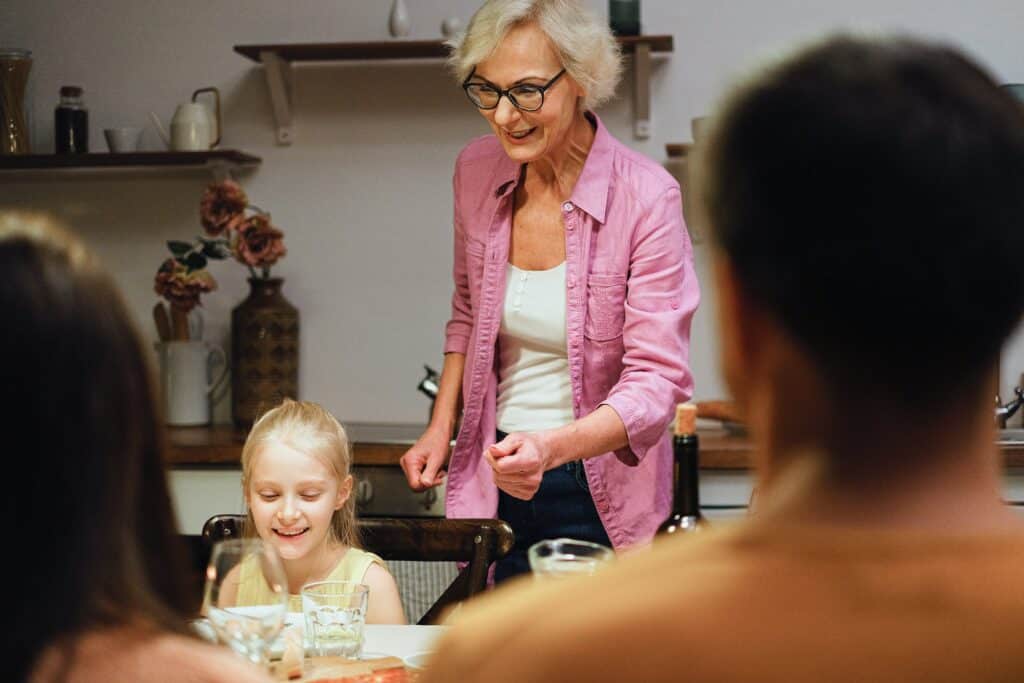
Understand what type of multigenerational living works for you
How many people are you willing to share with? What do you want to share? What do you want for yourself?
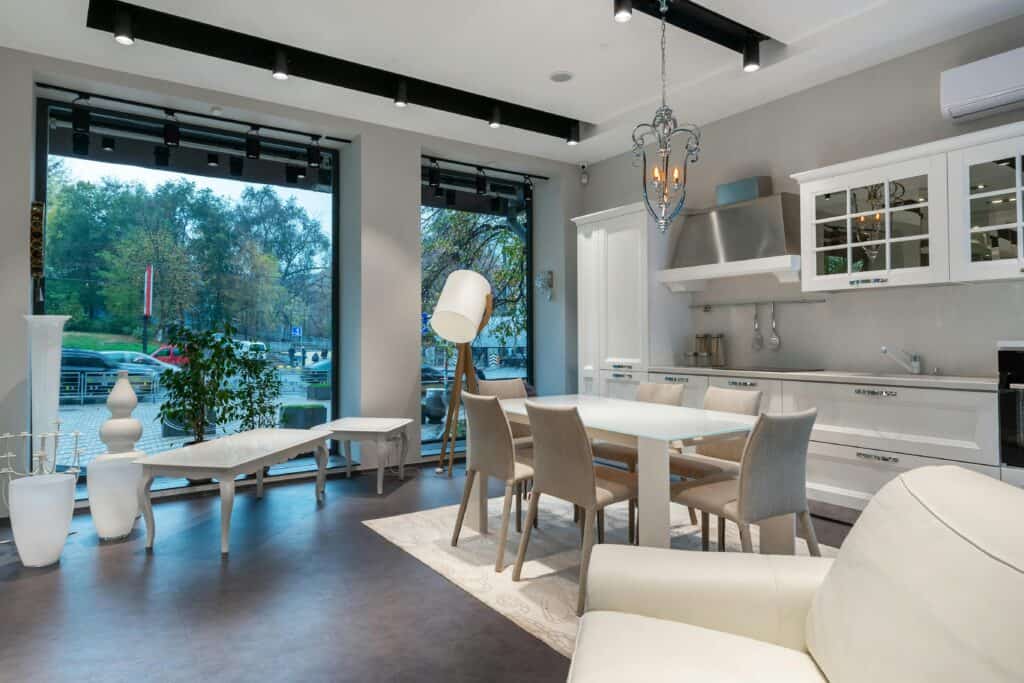
In all arrangements, balance privacy and sociability
The more shared spaces you have, the more private nooks you need to retreat to.
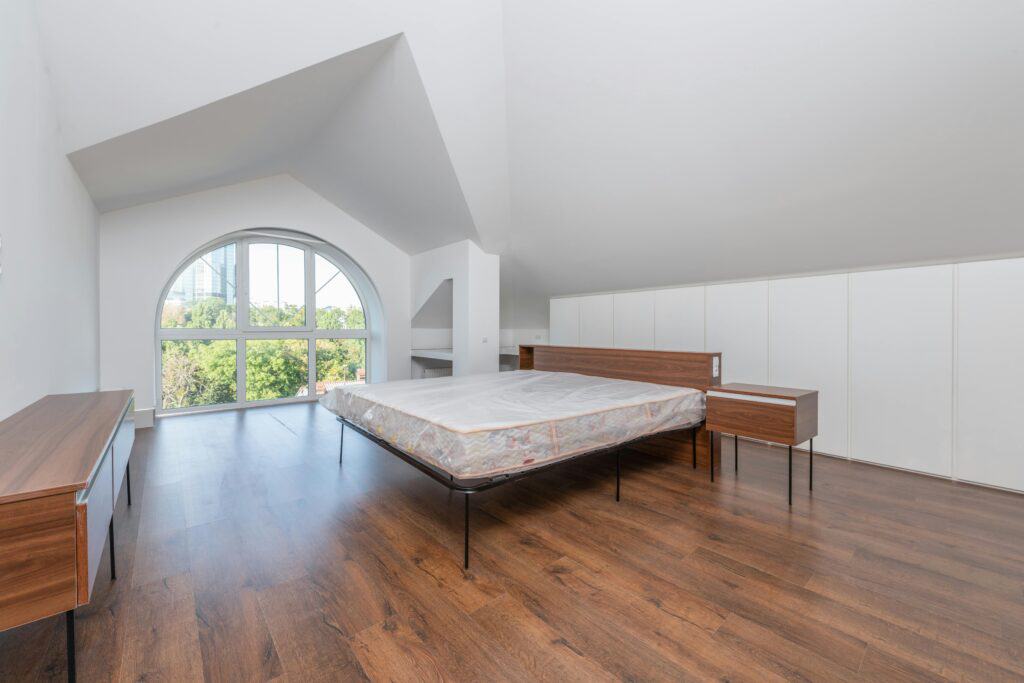
Think about clever ways to accommodate your needs when adapting or building
An extension, adding another storey, converting the loft or garage, reconfiguring an existing layout, or demolishing and rebuilding from scratch.
If you’d like to explore your options for succession planning, why not talk to Attivo? Our team of Chartered Financial Planners happy to help to make the process a smooth one. Call us on 01242 585444 or Clientservices@Attivo.co.uk. And to read about Estate Planning, click here.