
ATTIVO
Family fortunes
It’s often been said that family-owned firms are the backbone of a country’s economy: in the UK there are over five million of them; the Institute for Family Business (IFB) estimates they generate around a third of UK GDP. With a new generation of leaders taking charge of these companies globally, there has been a mindset shift from the business ethos of the baby boomer/traditionalist bosses to values associated with Generation X and Millennials (born anywhere from 1965-1996) instead. This can be glimpsed in their eagerness to pursue a sustainability-led agenda.
Some 72 per cent of ‘next-gen’ leaders of family firms expect to be personally involved in increasing their business’s focus on investments for sustainability, according to PwC’s Global NextGen Survey from last year. Meanwhile, this new breed of family-run business owners is embedding many of the things younger generations are expecting from workplaces: working from home, flexible schedules, better mental health support, diversity and inclusion quotas, volunteering schemes and anti-harassment/discrimination policies.

As one recent New York Times article, Gen X Is Kind of, Sort of, Not Really the Boss, outlined, new Gen X leaders are the first generation to ‘work for their employees not the other way around’. The new Generation X and Millennial owners of family firms are also more likely to be passionate advocates of new technologies, ejecting those old accountancy practices and analogue filing systems. Of course, it could be argued that these values have always been there: family-run businesses have long been engaged with their local communities (one 2020 report from York and Birmingham Universities identified traits in family-run firms such as philanthropy and improving labour market access and training for locals).
And family SMEs are more likely to have female leaders than non-family firms (81 per cent of family SMEs compared to 58 per cent of non-family SMEs, according to IFB figures).
From High Street to luxury hospitality
Kimberley Cohen and Leslie Kouhana are great examples of next-gen female business leaders. Along with their father Patrick Pariente, founder of the clothing brand Naf Naf, they run the family-owned hospitality company Maisons Pariente. This summer, they open their first city hotel – the first hotel the sisters have built themselves, Le Grand Mazarin in Paris. Based in the hip, avant-garde-loving neighbourhood of Le Marais, this newest addition to their collection of five-star boutique hotels is one of the city’s most anticipated openings.

‘This is a very emotional moment for us, the culmination of a wonderful project that has been close to our hearts for several years,’ says Leslie. ‘The Grand Mazarin embodies the quintessential spirit of our hotels, that subtle blend of elegance and warm simplicity common to all our addresses.’
For the siblings, it’s more than just a place to stay – the ‘first urban hotel’ in their collection is a destination in its own right, ‘where you can meet up, share special moments, and where there is always something going on. A unique place in Paris’. The family first embarked on the luxury hotel business in a desire to develop a top hotel collection combining exceptional addresses, five-star service and old-fashioned family values.
Their initial offering was 2013’s L’Apogée in Courchevel: ‘My parents went on this crazy journey of building a hotel, even though they didn’t know anything about building hotels,’ laughs Kimberley, who joined the family firm in 2016. L’Apogée was followed six years later by Crillon le Brave in Provence, Lou Pinet in Saint-Tropez and Le Coucou in Méribel. Located in extraordinary places, each hotel has been designed as an elegant private house, with its own unique and arty personality, in harmony with the immediate environment.
For Kimberley, travel and staying in beautiful hotels have been a facet of life for as far back as she can remember. As a child, she recalls beach trips to everywhere from South Africa to Brazil and Indonesia with her travel-mad parents and grandparents. One of the great advantages of a family business is that the shared values, ethics and priorities are – literally – part of the DNA.
Maisons Pariente has always had art and creativity at the heart of its business and believes passionately in championing the craftsmanship and the creative heart of its hotels’ surroundings. On the family dynamic, Kimberley explains, ‘My father finds the deals and negotiates them. He’s like the locomotive of a fast train! And then my sister Leslie works on the financial aspects, negotiating with the banks and creating the team. I handle the artistic part of the project, and the customer experience, from the press to the website to other details you’ll find in our hotels, including the overall look.’
Ultimately, the sisters say, they want to create hotels that resemble a family house in which guests feel at home – ‘to bring the spirit of our family into our hotels. We want to make big hotels feel like welcoming family homes… we want our guests to feel they can come together over food to talk about their day, relax in the surroundings and plan what to do tomorrow. We want to be the places where generations meet, share and reconnect – just like at home.’
“And what’s the best piece of business advice she’s received? ‘I don’t know how to translate it in English,’ says Kimberley,
‘but in French, it translates as “Never put off to the next day what you can do today.”’
Family Ties
Creating a family business can leave a lasting legacy. Here are a few examples of some new and established brands, flying the flag for their families.

Darcy Laceby
Darcy Laceby, co-founder and Chief People and Product Officer of Absolute Collagen, has achieved notable success in the five years since founding the company with her mum.
Along with winning awards, gaining media coverage, and being recognised by Forbes 30 Under 30 – Europe – Retail & E-commerce in 2022, she also played a key role in creating a TV advert, part of a campaign she spearheaded. Laceby cast Absolute Collagen’s own customers in it. ‘This campaign is all about empowerment and being your absolute best self,’ she says.
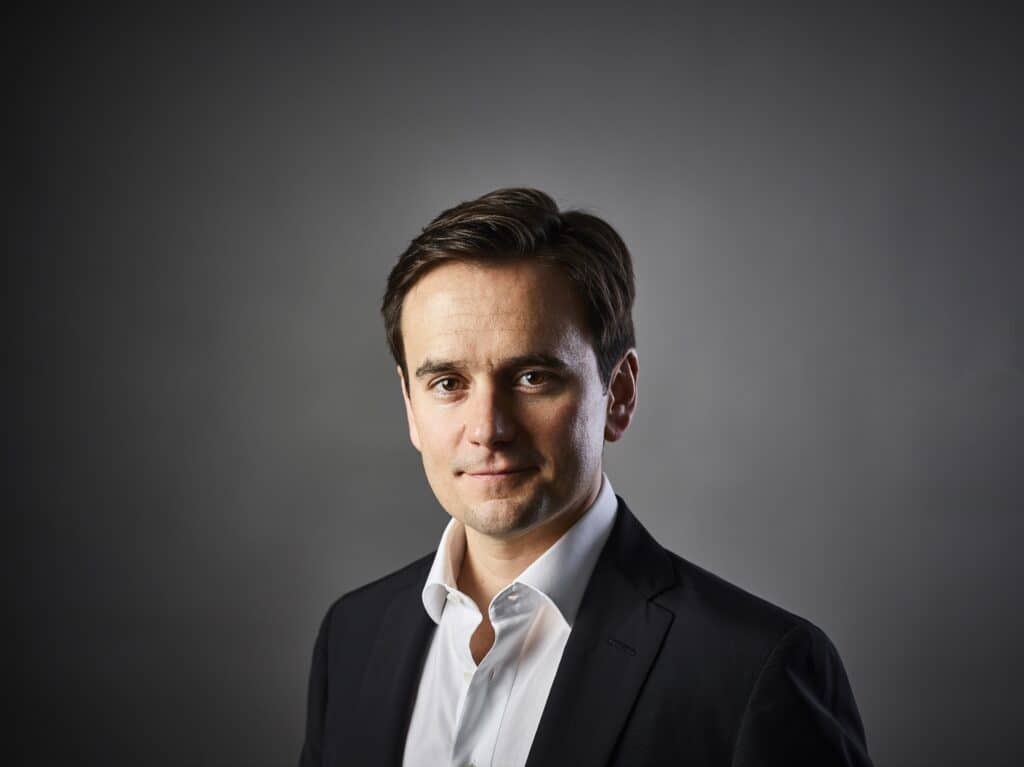
Richard Walker
As Executive Chairman of frozen foods giant Iceland, Richard Walker has dedicated himself to making the company, founded in Shropshire by his parents in 1970, more eco-friendly and pioneering innovative approaches to sustainability.
In 2022, his book The Green Grocer: One Man’s Manifesto for Corporate Activism, Richard discussed the motivations behind Iceland’s ambitious commitment to eliminate plastic packaging from all their own-label products by the end of 2023. As he told the Guardian about his aim to combine profit with purpose, ‘I am filled with hope and optimism.’
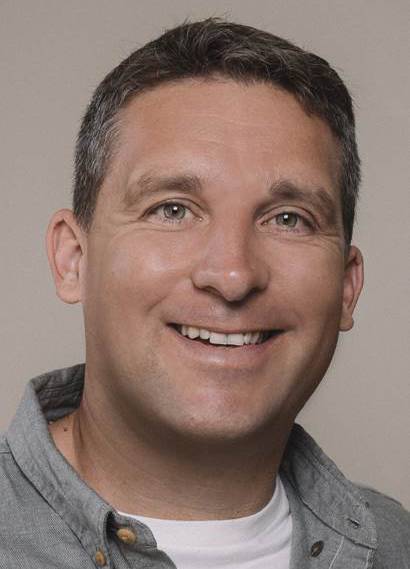
James Timpson
James Timpson has played a pivotal role in the growth of the Timpson shoe and key repair business, overseeing its expansion to over 2,100 shops and implementing innovative strategies to navigate the challenges faced by traditional retail.
As Chair of the Prison Reform Trust, he’s been a pioneer in recruiting ex-offenders, employing over 600 prison leavers who make up more than 10 per cent of the company; his commitment to prison reform has earned him an OBE. His recent talks included a ‘New Approach to Leadership’ for the RSA, and the power of kindness on the Crisis? What Crisis? podcast.
If you’d like to explore your options for succession planning, why not talk to Attivo? Our team of Chartered Financial Planners happy to help to make the process a smooth one. Call us on 01242 585444 or Clientservices@Attivo.co.uk. And to read about Estate Planning, click here.